
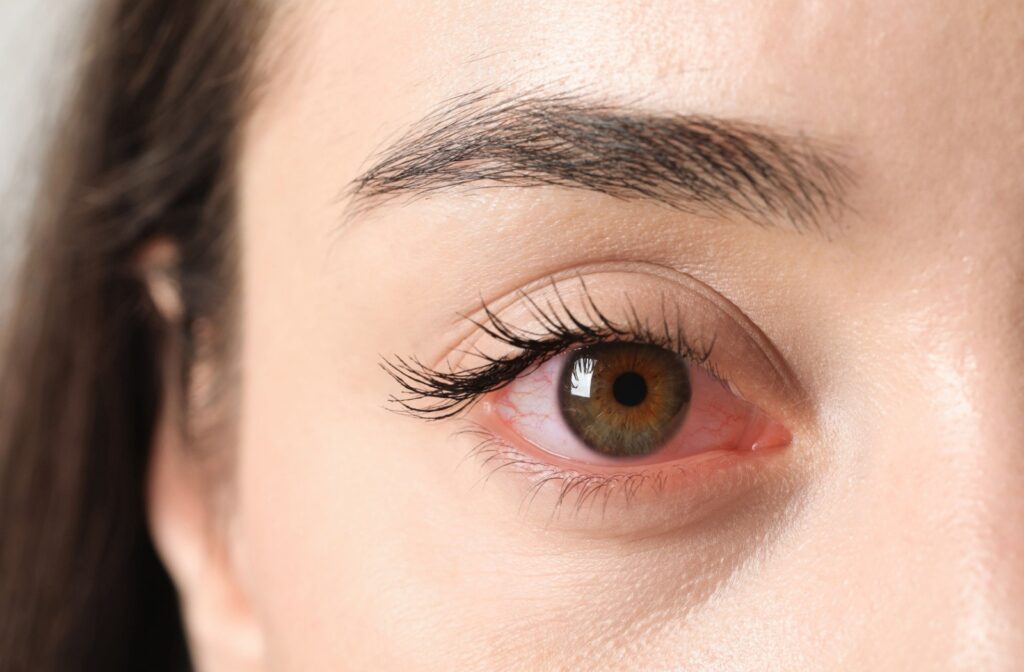
Your eyes feel irritated again, but you’re not sure why. Maybe it’s the dry winter air, or maybe those flowering trees outside your window are the culprit. At Elite Vision Consultants, we know that when your eyes are red, watery, or uncomfortable, it can be tough to figure out what’s really going on. You may have wondered how to tell dry eye and allergies apart.
The difference is often most clear in your symptoms. Dry eye causes a gritty, burning sensation, while allergies produce intense itching that makes you want to rub your eyes constantly. Each treatment is different, so getting the right diagnosis can help you find the right relief.
Key Signs That Point to Dry Eye vs Allergies
Telltale Dry Eye Symptoms
When your eyes don’t produce enough quality tears, or the tears you do have aren’t the right quality, you’ll notice some specific signs.
You might notice a gritty sensation, almost like your eyes have particles of sand in them. You may also experience a burning feeling, almost like your eyes are on fire or stinging. These symptoms often worsen throughout the day, especially if you spend long hours looking at screens without following the 20-20-20 rule.
Classic Allergy Red Flags
Eye allergies create a very different type of discomfort. The most common sign is itchiness, and it’s usually so intense that you can’t help but rub your eyes, which often makes things worse.
Your eyelids might swell up, and you may develop those dark circles under your eyes that make you look tired. If your symptoms get worse during spring or fall, that’s another strong hint that allergies are to blame.
What Leads to Each Condition
Why Your Eyes Get Dry
Dry eye happens when your tear film breaks down too quickly or doesn’t work properly. Think of your tears like a protective coating: When it’s thin or evaporates too fast, your eyes can feel exposed and uncomfortable.
The oil glands that line your eyelids can get clogged, similar to the pores on your face. When you stare at screens for hours, you also tend to blink less often, which means your eyes don’t get refreshed with new tears as often. Age can also affect dry eye, as tear production can slow down for some people over time.
What Sets Off Eye Allergies
If you have allergies, your immune system treats harmless particles like pollen or pet hair as dangerous invaders. When these allergens land on your eyes, your body releases a substance called histamine to fight them off. This histamine leads to inflammation and the other symptoms that you experience.
Some allergens are seasonal, like tree pollen in spring or ragweed in fall. Others stick around all year, such as dust mites in your bedroom or your pet’s dander on the furniture.
The Tricky Connection Between Both Problems
Here’s where things get complicated: You might have both dry eye and allergies at the same time. Oral allergy pills that help with sneezing and congestion can actually make your eyes drier by reducing tear production.
When your eyes are already dry, they often become more sensitive to allergens floating around. It’s similar to having a sunburn that makes your skin react more strongly to everything that touches it. A thorough dry eye evaluation includes checking for multiple contributing factors.
Which One Do You Have?
Start keeping track of when your symptoms flare up. If they happen more during certain seasons or after you’ve been outside, allergies are likely the main problem.
You can also pay attention to how intense the itching feels. Mild scratchiness usually points to dry eye, while severe itching that makes you rub suggests allergies. Also, notice if your nose gets stuffy or runny at the same time, which is another sign of allergies.
These clues can help you get a better sense of what might be going on, but an eye exam is a good way to confirm the cause. Taking our dry eye quiz can help you organize your symptoms before your appointment.
Professional Treatment Options in Cedar Lake
Dry Eye Therapies
If dry eye is your main issue, modern treatments can target some of the contributing factors rather than just masking symptoms. OptiLight by Lumenis uses gentle light therapy to help unblock those clogged oil glands lining your eyelids (a common cause of dry eye), supporting tear quality.
The eye doctor can also prescribe treatments that help your eyes produce better quality tears. Each treatment plan is customized based on what’s causing your dry eye symptoms.
Allergy Management Approaches
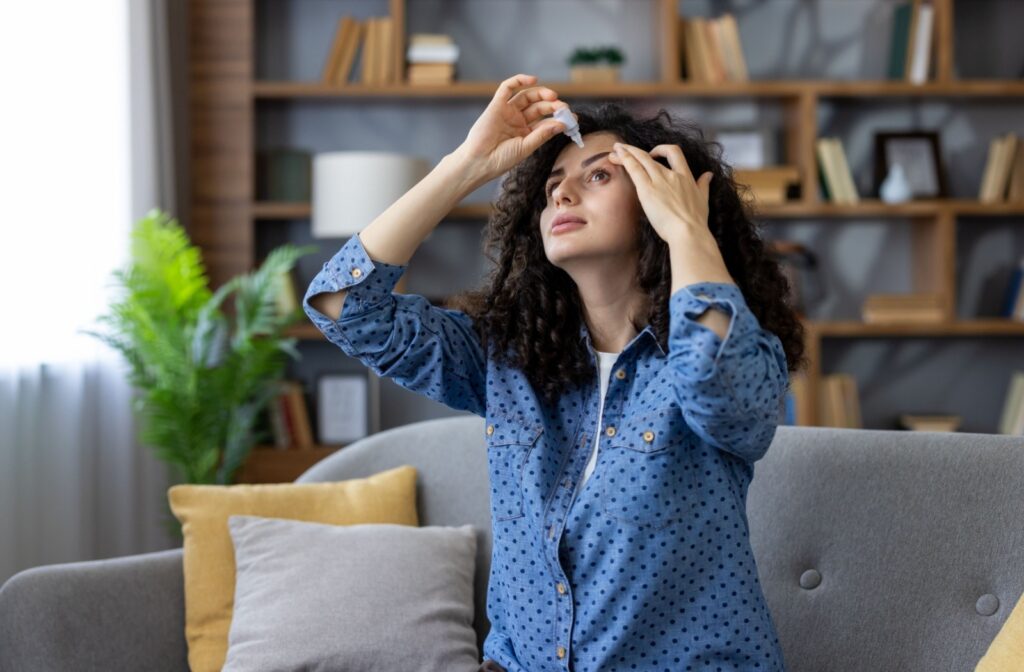
For eye allergies, targeted antihistamine drops can be helpful because they go directly where you need relief. Our eye care team can also help you identify which specific allergens affect you most.
When you have both dry eye and allergies, combination therapy can address both problems at the same time. Professional guidance helps avoid treatments that might worsen allergic conjunctivitis while trying to treat dry eye.
Get on the Right Path to Relief
Getting the right diagnosis makes all the difference in finding relief that actually works. Our team at Elite Vision Consultants takes the time to understand your specific symptoms and lifestyle factors that might be contributing to them. You don’t have to keep guessing what’s wrong or settling for temporary fixes when we can help: Schedule an appointment today.