

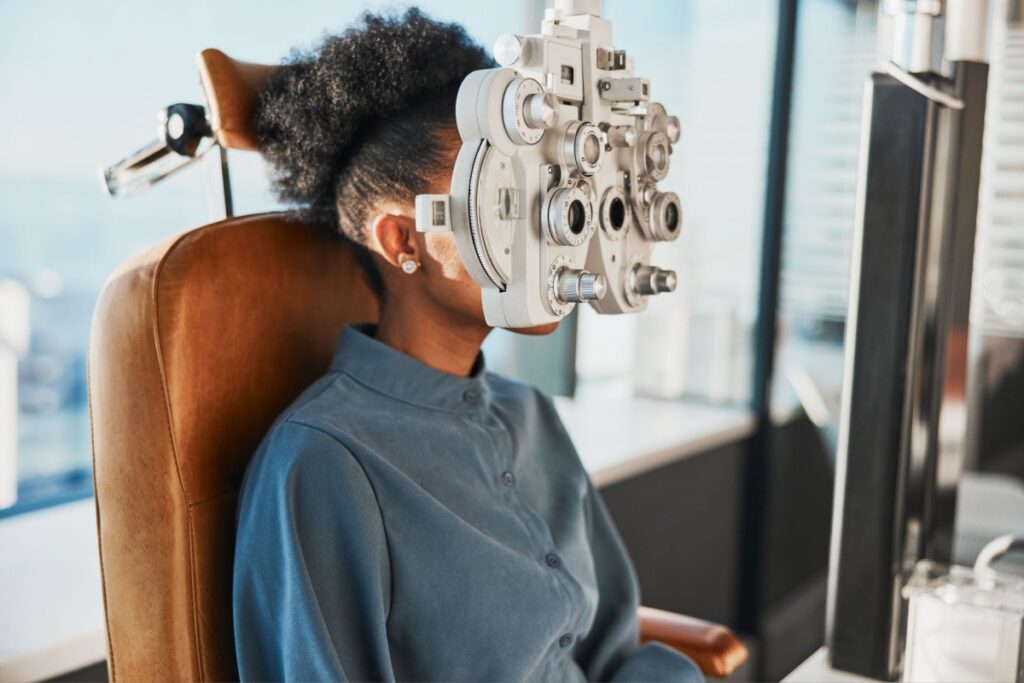
You might wonder how much time to block out for your next eye exam, especially when you have a busy schedule to manage. Our team at Elite Vision Consultants understands your time is valuable, and we want you to know what to expect during your next visit to either the Cedar Lake or Crown Point locations.
A comprehensive eye exam typically takes 45–60 minutes, though your appointment may be longer if you need specialized testing or have specific vision concerns that require extra attention.
What Happens During Your Eye Exam
Your eye doctor can start by testing how well you see at different distances. This helps determine if you need a new prescription for glasses or contacts, or if your current one needs any adjustments.
The eye doctor can also examine your eye health using specialized equipment. This comprehensive evaluation can sometimes detect early signs of eye conditions such as glaucoma, macular degeneration (which affects central vision), or diabetic eye disease before you notice any symptoms.
You’ll have time to discuss any vision changes or eye discomfort you’ve experienced. The eye doctor can explain their findings in easy-to-understand terms and answer any questions you might have about maintaining healthy vision.
Typical Eye Exam Duration and Timeline
Standard Comprehensive Exam
Most thorough eye exams take 45 to 60 minutes from start to finish. This timeframe helps the eye doctor to complete all their tests without rushing through important steps.
Some patients need additional testing based on their symptoms or risk factors. These specialty tests might add 15 to 30 minutes to your visit, but they provide valuable information about your eye health.
The eye doctor may also set aside time to explain your results and discuss any recommendations. This personalized attention helps you understand your vision needs and make informed decisions about your care.
Factors That Affect Your Appointment Length
If you’re experiencing specific vision problems like blurry sight, eye strain, or discomfort, the eye doctor may need extra time to look at these concerns thoroughly.
Though it’s not always necessary, a dilated pupil examination helps give the eye doctor a better view of your retina (at the back of your eye) and optic nerve (which sends signals to your brain). This test adds time to your visit since the eye drops need several minutes to take effect.
If you’re experiencing dry eye symptoms, our team may recommend that you undergo specialized testing to measure tear production and quality. These evaluations help create targeted treatment plans so you can get back to feeling comfortable.
Prepare for Your Eye Exam Visit
We recommend you bring your current glasses and contact lenses, even if you think the prescription might be outdated. The eye doctor can use this information to understand how your vision has changed over time.
It’s a good idea to make a list of all medications you take and any health conditions you have. Many systemic diseases can affect your eyes, so this information helps the eye doctor provide complete care.
Bring any questions about vision changes, eye comfort, or concerns you want to discuss. Having these ready helps you make the most of your time with our team.
After Your Eye Exam: What to Expect
Drive After Your Appointment

If your pupils (the black central part of your eye that lets in light) were dilated during the exam, your vision may stay blurry for 2 to 4 hours afterward. This temporary effect makes it harder to focus on close objects like your phone.
Bright lights can sometimes feel uncomfortable while your pupils return to normal size. The office typically provides disposable sunglasses to help reduce this light sensitivity.
Consider arranging transportation if a dilation is planned for your visit. This simple preparation helps you avoid the discomfort of driving with sensitive, blurry vision.
Your Results and Next Steps
The eye doctor can explain all findings in clear, straightforward language you can understand. You’ll learn about any vision changes and what they mean for your daily activities.
If you need a new prescription, your eye doctor will discuss your options for glasses or contact lenses. They can also recommend specific lens features that might improve your visual comfort.
When follow-up care is recommended, the eye doctor can explain why additional visits or treatments can benefit your eye health. This might include monitoring for changes and specialized treatments for conditions like dry eye.
Why Comprehensive Eye Exams Take Time
A thorough evaluation can detect vision problems early, sometimes before they significantly impact your daily life. This proactive approach helps maintain clear, comfortable sight as you age.
Many serious eye diseases can develop without obvious symptoms in their early stages. Regular comprehensive exams can detect these conditions when treatment is often most effective.
Schedule Your Eye Exam
At Elite Vision Consultants, we provide a personalized approach at our Cedar Lake and Crown Point locations. Ready to schedule your comprehensive eye exam? Experience the difference that dedicated, personalized eye care can make for your vision and overall well-being.